

Taking care of your personal health is one of the most important investments you can make in your life. With busy schedules, work stress, and daily responsibilities, it’s easy to overlook small but critical aspects of well-being. Personal health encompasses not only physical fitness but also mental wellness, preventive care, and home environments that support your daily life.
Making intentional choices can have long-lasting effects on your overall quality of life. From staying active to managing chronic conditions to creating a supportive home environment, there are multiple ways to ensure that you maintain both strength and vitality. This guide explores ten actionable ways to care for your personal health, providing practical tips and resources to make health management simpler and more effective. Each section includes clear steps, preventive measures, and strategies to incorporate into daily life for maximum impact.
Prioritize Support at Home
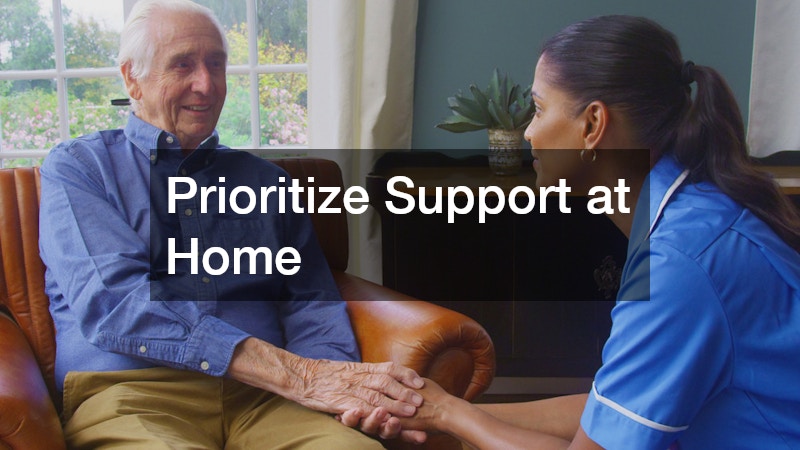
Ensuring reliable support at home can make a significant difference, particularly for seniors or individuals managing chronic conditions. Proper assistance allows individuals to maintain independence while ensuring safety and well-being. Home support isn’t limited to physical aid; it also includes guidance, professional oversight, and access to resources that promote overall health.
Understanding Available Services
Home health care services cover a wide range of options, including visiting nurses, physical therapy, personal aides, and monitoring systems that track daily activity. These services enable people to remain in familiar surroundings while receiving the care they need.
- Skilled nursing visits to monitor vital signs and administer medications.
- Physical and occupational therapy sessions for mobility and rehabilitation.
- Personal care assistance with daily tasks like bathing, meal preparation, and dressing.
- Customized care plans that match the individual’s specific needs.
Having access to these services not only improves quality of life but also helps prevent hospital readmissions, reduces stress for family caregivers, and supports long-term independence.
Creating a Safe Living Space
A safe and organized home reduces the risk of accidents, which is particularly important for older adults or those with mobility challenges. Making simple adjustments can create a supportive and secure environment:
- Install grab bars in bathrooms near showers and toilets.
- Ensure adequate lighting throughout hallways, staircases, and living areas.
- Remove loose rugs or obstacles that could cause tripping hazards.
- Arrange furniture to allow smooth movement and easy access to essential areas.
Small changes like these can drastically reduce fall risks, one of the leading causes of injury at home, and foster confidence in daily routines.
Coordinating With a Broker for Insurance Coverage

Understanding how to cover the cost of home health care can be confusing. A health insurance broker provides guidance by reviewing available policies, explaining coverage options, and helping select the best plan for an individual’s needs.
- Identify plans that include home health services.
- Compare out-of-pocket costs and benefits for each plan.
- Assist with application processes and paperwork.
- Explain eligibility criteria for supplemental services and programs.
This professional support ensures that individuals and families are not overpaying while still receiving necessary care, which reduces financial stress and promotes better long-term health outcomes.
Balancing Independence and Assistance
While receiving help at home is crucial, it’s equally important to maintain personal independence. Encouraging participation in daily tasks fosters self-confidence and preserves cognitive function.
- Create routines that allow participation in household activities.
- Set achievable goals for mobility and personal care.
- Encourage social interaction and hobbies to maintain mental health.
- Combine professional support with self-directed activities to maintain autonomy.
Balancing assistance with independence empowers individuals to stay active, engaged, and motivated, contributing to both physical and emotional well-being.
Manage Pain and Discomfort Early
Physical discomfort can have a major impact on quality of life. Addressing pain early prevents chronic conditions, supports mobility, and enhances mental health. Pain in the neck, back, or joints, if ignored, can worsen over time and interfere with daily routines.
Recognizing Neck and Muscle Pain
Neck pain is one of the most common complaints in adults, often caused by poor posture, long hours at a desk, or stress. Awareness and early intervention are key to preventing long-term issues.
- Maintain proper posture while sitting and standing.
- Incorporate stretching exercises targeting the neck and shoulders.
- Use ergonomic chairs and supportive pillows.
- Seek professional evaluation for persistent or severe discomfort.
Early recognition allows individuals to take proactive steps, minimizing the likelihood of chronic conditions.
Seeking Professional Care
Persistent pain should be assessed by a healthcare professional. Physical therapists and pain specialists can provide guidance for treatment and prevention strategies.
- Physical therapists create individualized exercise plans.
- Pain specialists may offer interventions such as targeted therapy or medications.
- Routine monitoring ensures the effectiveness of the treatment plan.
- Early treatment prevents further deterioration and improves mobility.
Professional guidance ensures that pain management is both safe and effective, reducing the risk of complications.
Lifestyle Adjustments to Reduce Strain
Daily habits play a crucial role in minimizing physical discomfort. Making conscious adjustments can support long-term health and prevent recurring pain.
- Take regular breaks from prolonged sitting or screen time.
- Engage in light exercises that promote circulation and flexibility.
- Maintain a balanced diet to support muscle and joint health.
- Practice stress-reducing techniques like deep breathing or yoga.
These small but consistent actions can help reduce muscle tension and prevent pain from worsening over time.
Complementary Therapies
In addition to traditional medical care, complementary therapies can enhance recovery and overall wellness. These should be used alongside standard treatments, not as a replacement.
- Massage therapy to relieve muscle tension.
- Acupuncture to address chronic pain conditions.
- Heat or cold therapy for localized relief.
- Mindfulness and relaxation techniques to reduce stress-related discomfort.
Integrating complementary therapies offers a holistic approach to pain management and supports long-term physical and emotional health.
Maintain Bladder and Overall Health

Taking proactive steps to maintain bladder health is a critical but often overlooked aspect of personal well-being. Ignoring urinary issues can lead to infections, discomfort, and reduced quality of life. Simple lifestyle adjustments and medical care can help manage bladder function effectively.
Recognizing Common Symptoms
Being aware of warning signs can help catch issues early. Common symptoms include frequent urination, difficulty emptying the bladder, or discomfort during urination.
-
Track urinary habits to identify patterns or changes.
-
Watch for pain, urgency, or incontinence episodes.
-
Report persistent issues to a healthcare provider promptly.
-
Early recognition allows for less invasive interventions.
Preventive Measures
Small changes in daily routines can support bladder health. Hydration, diet, and exercise play major roles in maintaining proper function.
-
Drink plenty of water throughout the day.
-
Reduce caffeine and alcohol intake, which can irritate the bladder.
-
Engage in pelvic floor exercises to strengthen support muscles.
-
Maintain a balanced diet rich in fiber to prevent constipation, which can impact bladder function.
Seeking Professional Support
For ongoing bladder concerns, consulting specialists ensures proper diagnosis and treatment. Local home hospice care and outpatient clinics may provide assistance for chronic conditions.
-
Urologists can evaluate and treat underlying issues.
-
Home health professionals can support daily management.
-
Access to local clinics reduces the need for frequent hospital visits.
-
Personalized care plans improve quality of life for individuals with bladder conditions.
Lifestyle Integration
Bladder health is closely connected to overall well-being. Combining preventive measures with professional guidance ensures optimal outcomes.
-
Schedule regular checkups and screenings.
-
Incorporate exercises and hydration habits into daily routines.
-
Address symptoms promptly to prevent complications.
-
Educate family members or caregivers to support ongoing health management.
Plan for Long-Term Care Options
As personal health needs evolve with age or medical conditions, planning for long-term care can provide peace of mind and stability. Considering options in advance allows for informed decisions that reflect personal values and preferences.
Researching Assisted Living Facilities
When planning for long-term care, exploring a local assisted living facility can provide valuable support and peace of mind. Evaluating these facilities carefully ensures the right match for lifestyle, safety, and care needs.
-
Visit multiple facilities to compare amenities and care services.
-
Review staff-to-resident ratios and professional qualifications.
-
Assess recreational programs, dining options, and social engagement opportunities.
-
Consider proximity to family, friends, and healthcare providers.
Exploring Home-Based Support
Not all long-term care requires relocation. Home health care services, including visiting nurses and personal aides, can help individuals age in place safely.
-
Schedule regular check-ins with visiting professionals.
-
Utilize adaptive tools like mobility aids or adaptive vans for transportation.
-
Integrate technology for monitoring health remotely.
-
Create a structured daily routine to maintain independence.
Financial Planning
Understanding insurance coverage and financial options is essential. Medicare insurance and supplemental plans can help cover long-term care expenses, but eligibility and limits vary.
-
Consult with a health insurance broker to identify suitable plans.
-
Explore Medicare coverage for in-home services, therapies, and medications.
-
Set aside savings or consider long-term care insurance options.
-
Plan for unexpected health events to minimize financial stress.
Emotional and Social Support
Long-term care planning isn’t just about physical needs; emotional well-being is equally important. Maintaining social connections and mental engagement is crucial for quality of life.
-
Encourage participation in community programs or facility activities.
-
Foster connections with family, friends, and caregivers.
-
Provide counseling or therapy for emotional support.
-
Balance independence with professional assistance to promote dignity and confidence.
Upgrade Your Home Environment
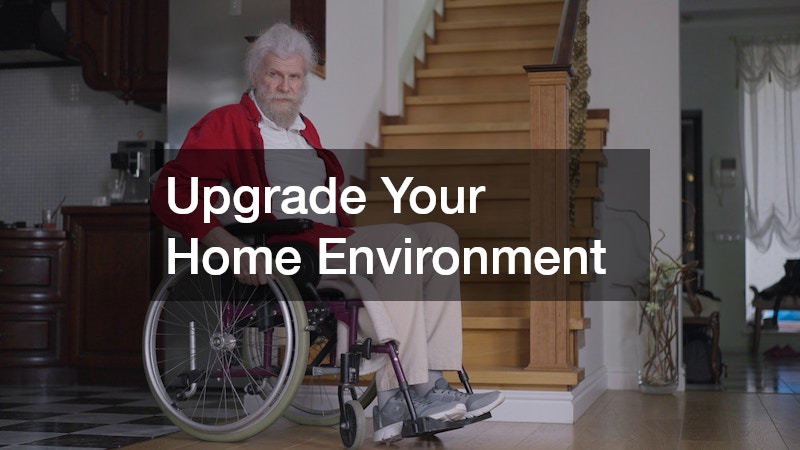
Your living space has a direct impact on personal health, comfort, and safety. Renovating key areas and addressing essential home systems ensures a supportive environment for both daily life and long-term health.
Bathroom Renovations for Safety
Bathrooms renovations are a great idea to prevent accidents, especially for older adults. Thoughtful bathroom renovation can reduce risks while improving accessibility and comfort.
-
Install non-slip flooring and grab bars near showers and tubs.
-
Consider walk-in showers or tub modifications for easier access.
-
Upgrade lighting to reduce fall risks during nighttime use.
-
Ensure proper ventilation to prevent mold and moisture buildup.
Water Heater and Home Systems
Regular maintenance is important, but sometimes an older system requires a full water heater replacement to ensure safety and efficiency. Upgrading to a modern unit can prevent leaks, improve energy efficiency, and reduce the risk of interruptions in hot water supply.
-
Schedule regular inspections and servicing of water heaters.
-
Replace outdated units with energy-efficient models.
-
Check plumbing and heating systems for leaks or malfunctions.
-
Ensure proper insulation and safety features are in place.
Accessibility Enhancements
Home modifications such as ramps, wider doorways, and adaptive vans can improve mobility and independence for individuals with physical challenges.
-
Install ramps or stair lifts where needed.
-
Use adaptive vans for transportation to medical appointments and social activities.
-
Ensure furniture placement allows for easy movement.
-
Incorporate assistive devices as recommended by healthcare providers.
Creating a Healthy Atmosphere
Beyond safety and accessibility, maintaining a healthy home atmosphere promotes overall well-being. Consider air quality, lighting, and organization to create a supportive environment.
-
Regularly clean and ventilate living spaces to reduce allergens.
-
Incorporate natural light and adequate indoor lighting.
-
Reduce clutter to minimize stress and improve mental clarity.
-
Integrate calming design elements to support relaxation and sleep.
Stay Informed About Health Coverage
Understanding insurance and coverage options is essential for managing personal health and finances. Knowing what services are covered ensures timely access to care without unnecessary stress.
Understanding Medicare Insurance
Medicare insurance provides coverage for many healthcare services, including hospital visits, outpatient care, and certain home health services. Knowing your benefits helps maximize access to needed care.
-
Review covered services and preventive care options.
-
Check eligibility criteria and enrollment periods.
-
Compare supplemental plans to cover gaps in coverage.
-
Keep updated records of claims and benefits.
Working With Health Insurance Brokers
Health insurance brokers simplify the process of selecting and managing coverage. They provide professional guidance, answer questions, and help with claim navigation.
-
Receive personalized plan recommendations based on health needs.
-
Understand policy details, co-pays, and deductibles.
-
Navigate paperwork and claim submissions efficiently.
-
Stay informed about changes in coverage policies or regulations.
Planning for Unexpected Needs
Being proactive about insurance ensures coverage during unforeseen medical situations or emergencies. This can prevent financial stress and support consistent care.
-
Maintain emergency contact lists and healthcare provider information.
-
Review and update policies annually.
-
Keep track of specialist and therapy coverage.
-
Plan for potential home modifications or adaptive equipment needs.
Combining Coverage With Lifestyle Choices
Insurance works best when paired with preventive lifestyle practices. Healthy habits reduce reliance on emergency services and promote overall wellness.
-
Maintain regular checkups and screenings.
-
Incorporate fitness, nutrition, and stress management into daily life.
-
Use covered services like physical therapy or preventive visits proactively.
-
Stay informed about new services and benefits offered by your insurance plan.
Caring for personal health is a lifelong commitment that requires attention, planning, and action. From managing pain and bladder health to upgrading your home environment and understanding insurance coverage, every step contributes to long-term well-being. By implementing practical strategies, seeking professional guidance, and making informed choices, individuals can enhance their quality of life, maintain independence, and enjoy lasting physical and emotional health.
Personal health isn’t just about reacting to illness—it’s about proactive measures, preventive care, and creating an environment that supports daily living. Whether through home adjustments, professional support, or lifestyle changes, small but consistent efforts lead to significant benefits over time. Prioritizing these areas empowers individuals to live healthier, safer, and more fulfilling lives.
