Dental care becomes increasingly important as people age, yet it is often overlooked when seniors transition into home care or nursing home environments. Changes in mobility, memory, and overall health can make daily oral hygiene more difficult, while access to routine dental visits may become limited. Maintaining oral health plays a key role in comfort, nutrition, communication, and overall well-being. When dental needs are neglected, small issues can quickly develop into painful conditions that affect quality of life.
Seniors are more likely to experience chronic conditions that directly or indirectly impact oral health. Medications can reduce saliva production, increasing the risk of tooth decay and gum disease. Physical limitations may prevent effective brushing or flossing, while cognitive decline can make it difficult to recognize discomfort or communicate dental pain. In care settings, oral health may not always receive the same attention as other medical needs, despite its close connection to overall health.
Providing dental care for seniors in home care and nursing homes requires a coordinated approach. Families, caregivers, and healthcare providers all play a role in supporting daily hygiene and arranging professional care when needed.
The Importance of Oral Health for Seniors
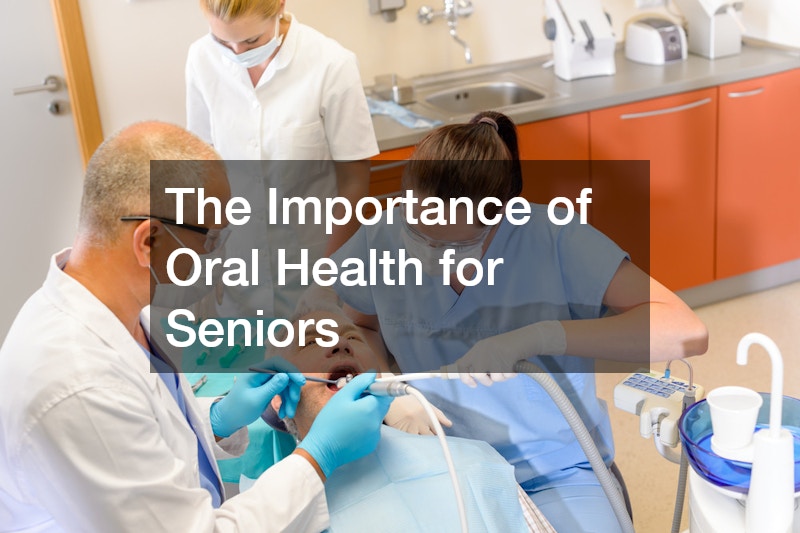
Oral health has a direct impact on how seniors eat, speak, and interact with others. Healthy teeth and gums allow for proper nutrition, which is especially important for older adults who may already face dietary restrictions. When oral pain or infection is present, seniors may avoid certain foods, leading to nutritional deficiencies and weight loss. Maintaining oral health also supports clear speech, which affects social interaction and emotional well-being.
Poor oral health can contribute to broader health concerns in older adults. Gum disease has been linked to conditions such as heart disease, diabetes complications, and respiratory infections. For seniors with weakened immune systems, untreated oral infections can pose serious risks. Regular attention to oral hygiene helps reduce bacteria in the mouth and supports overall systemic health. This connection makes dental care an essential part of comprehensive senior care rather than an optional service.
Routine evaluations by a dentist help identify issues early, before they become severe or painful. These visits allow for monitoring changes related to aging, medication use, or chronic illness.
Common Dental Challenges in Older Adults
Aging brings a range of dental challenges that require increased attention and specialized care. Tooth decay along the gumline, gum recession, and tooth sensitivity become more common with age. Seniors may also experience dry mouth due to medications, which increases the risk of cavities and oral infections. These issues can develop gradually and may go unnoticed until they cause significant discomfort or functional problems.
Cognitive and physical limitations can make it harder for seniors to maintain consistent oral hygiene. Arthritis, tremors, or limited mobility may interfere with brushing and flossing, while memory-related conditions can cause seniors to forget daily care routines. In nursing home or home care settings, oral hygiene may depend on caregiver support, which can vary based on training and time constraints. Without regular monitoring, dental problems can progress quickly.
One common challenge involves existing restorations such as dental crowns, which may wear down, loosen, or trap bacteria over time. Seniors may not notice when these issues arise, especially if sensation is reduced. Regular evaluations help identify problems early and prevent secondary decay or infection.
Barriers to Dental Care in Home Settings
Accessing dental care can be especially difficult for seniors receiving care at home. Limited mobility, transportation challenges, and medical complexity often make traditional dental visits impractical or overwhelming. Many seniors rely on others to coordinate appointments, and when dental needs are not seen as urgent, they may be delayed indefinitely. These barriers can allow minor oral health concerns to worsen over time, leading to pain, infection, or difficulty eating.
Another challenge is the lack of routine dental monitoring in home care environments. While medical needs are often addressed consistently, oral health may not receive the same level of attention. Seniors may struggle to communicate discomfort, particularly if cognitive decline is present. Without visible symptoms, dental problems can remain hidden. This gap in care highlights the importance of proactive planning and regular oral assessments, even when a senior appears comfortable.
Support from a local caregiver can make a meaningful difference in overcoming these barriers. Caregivers who understand the importance of oral health can help with daily hygiene, observe changes, and coordinate professional care when needed. Their involvement helps bridge the gap between medical and dental support, improving consistency and early detection.
Oral Hygiene Support in Nursing Homes
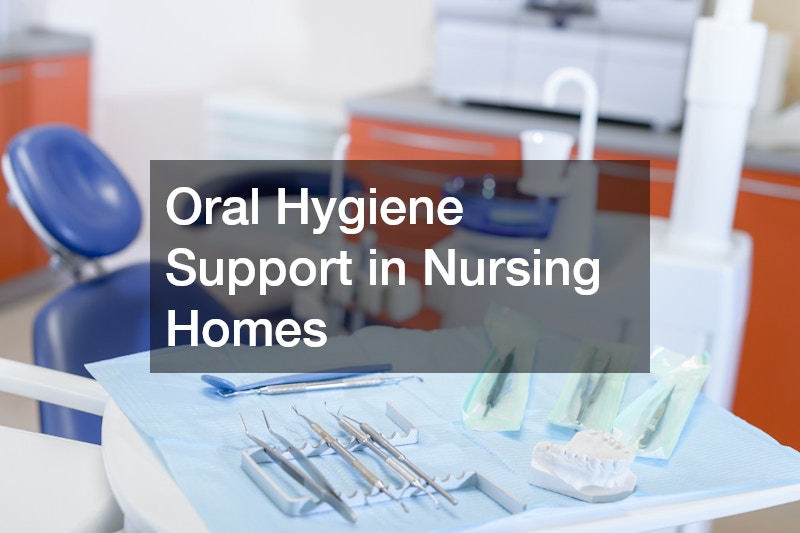
In nursing home environments, oral hygiene is a shared responsibility that requires structure, training, and consistency. Seniors in these settings often depend on staff for daily care, including brushing, denture cleaning, and oral monitoring. When routines are clearly established and followed, residents benefit from improved comfort and reduced risk of infection. However, oral care can sometimes be deprioritized due to staffing demands or lack of specialized training.
Maintaining oral hygiene in nursing homes also involves adapting care to individual needs. Some residents may resist assistance due to discomfort, confusion, or fear, making gentle and patient approaches essential. Others may have medical devices or conditions that require modified techniques. Clear protocols and regular oversight help staff deliver effective care while respecting each resident’s dignity and comfort.
Using appropriate tools, such as dry medical wipes, can support safer and more effective oral hygiene for seniors with limited tolerance for traditional brushing. These tools help clean the mouth gently and reduce the risk of aspiration. When combined with staff education and consistent routines, they help maintain oral cleanliness and comfort.
Preventive Dental Care for Aging Patients
Preventive dental care is essential for reducing discomfort and avoiding complex procedures later in life. For seniors, prevention focuses on maintaining oral health rather than restoring damage after it occurs. Regular cleanings and monitoring gum health help preserve function and comfort. Preventive approaches are especially valuable for seniors with chronic conditions or compromised immune systems.
Aging patients benefit from customized preventive plans that account for medications, dietary needs, and physical limitations. Simple adjustments, such as fluoride treatments or modified hygiene tools, can significantly reduce risk. Education for seniors and caregivers also plays a role in recognizing early warning signs and maintaining consistent routines. Preventive care supports independence and helps reduce dental emergencies.
In some cases, preventive planning includes monitoring the long-term health of restorations such as a dental implant. Regular evaluation helps identify issues early and supports longevity.