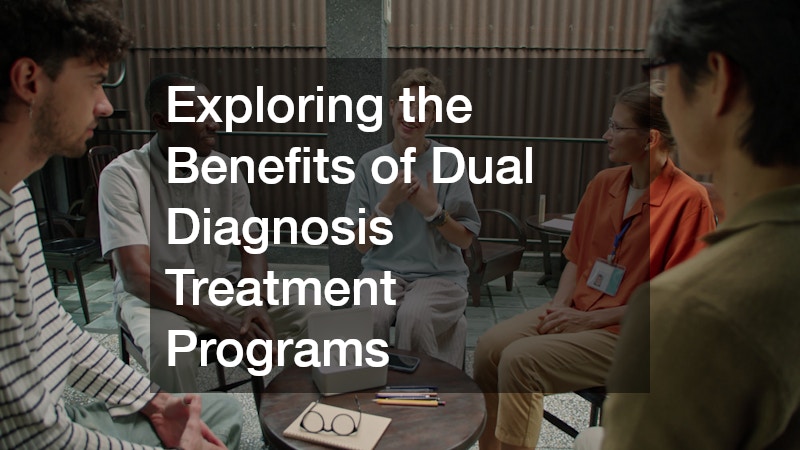
Mental health conditions and substance use disorders often occur together, creating a complex set of challenges for individuals seeking recovery. When these conditions are treated separately, outcomes are frequently less effective, and the risk of relapse increases. This is why integrated care models have become increasingly important. Dual diagnosis treatment programs are designed specifically to address co-occurring mental health and substance use disorders at the same time, offering a more comprehensive and sustainable path to recovery.
Understanding Dual Diagnosis and Co-Occurring Disorders
Dual diagnosis refers to the presence of both a mental health disorder and a substance use disorder in the same individual. Common examples include depression and alcohol use disorder, anxiety and opioid addiction, or bipolar disorder combined with stimulant misuse.
These conditions often interact in ways that worsen symptoms on both sides. Substance use may intensify mental health symptoms, while untreated mental health conditions can increase reliance on drugs or alcohol as a form of self-medication.
Traditional treatment approaches that focus on only one condition often fail to address the underlying causes driving the other. Dual diagnosis treatment programs recognize this connection and are structured to treat the whole person rather than isolated symptoms.
Integrated Care for Better Outcomes
One of the most significant benefits of dual diagnosis programs is their integrated approach to care. Mental health services and addiction treatment are delivered simultaneously by a coordinated team of professionals. This may include therapists, psychiatrists, medical providers, and substance use counselors working together under a unified treatment plan.
This integrated model reduces gaps in care and ensures that progress in one area supports progress in the other. Research and clinical experience consistently show that individuals receiving integrated care experience improved stability, better symptom management, and higher long-term recovery rates compared to those treated in separate programs.
Personalized Treatment Plans
No two individuals experience co-occurring disorders in the same way. Dual diagnosis programs prioritize personalized treatment plans that take into account mental health history, substance use patterns, physical health, and personal circumstances. Treatment may include a combination of individual therapy, group counseling, medication management, and behavioral therapies.
By tailoring care to each individual’s needs, dual diagnosis treatment programs can address underlying trauma, emotional regulation challenges, and unhealthy coping mechanisms. This level of personalization helps individuals build practical skills that support lasting recovery beyond the treatment setting.
Improved Relapse Prevention
Relapse prevention is a critical focus of any effective recovery program. When mental health symptoms go untreated, individuals are more likely to return to substance use as a way to manage distress. Dual diagnosis programs reduce this risk by teaching coping strategies that address both emotional and behavioral triggers.
Therapeutic approaches such as cognitive behavioral therapy (CBT), dialectical behavior therapy (DBT), and trauma-informed care are commonly used in dual diagnosis settings. These methods help individuals recognize warning signs, manage stress, and develop healthier responses to challenging situations. As a result, participants are better equipped to maintain sobriety and mental wellness over time.
Medication Management and Psychiatric Support
For many individuals with co-occurring disorders, medication plays an important role in stabilization and recovery. Dual diagnosis programs provide psychiatric oversight to ensure medications are prescribed safely and appropriately, taking substance use history into account.
This coordinated medication management reduces the risk of adverse interactions and improves treatment adherence. When psychiatric symptoms such as anxiety, mood instability, or psychosis are properly managed, individuals are often better able to engage fully in therapy and recovery activities. Dual diagnosis treatment ensures that medication decisions support both mental health and addiction recovery goals.
Addressing Underlying Causes and Trauma
Many individuals with co-occurring disorders have a history of trauma, chronic stress, or unresolved emotional pain. Dual diagnosis programs emphasize addressing these underlying factors rather than focusing solely on surface-level behaviors. Trauma-informed care creates a supportive environment where individuals can explore past experiences safely and at their own pace.
By addressing root causes, treatment becomes more than symptom management. Individuals gain insight into the patterns that contributed to their conditions and learn healthier ways to process emotions, build relationships, and cope with life’s challenges.
Supportive Environment and Peer Connection
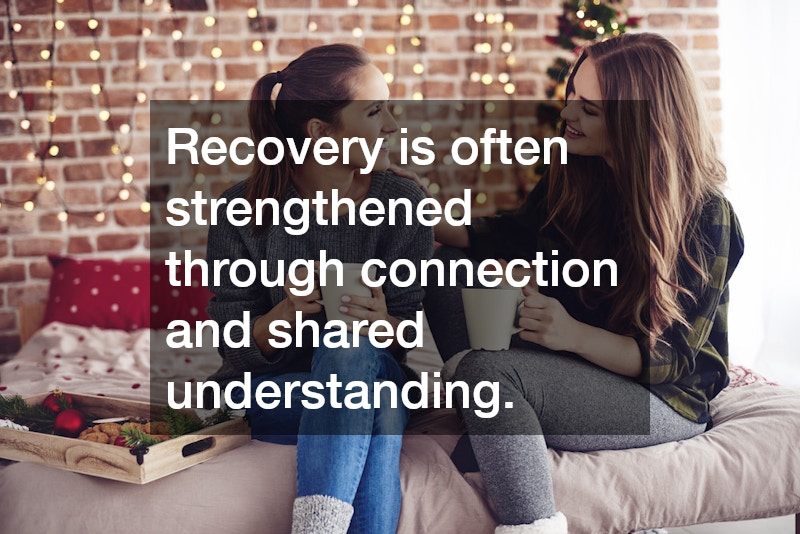
Recovery is often strengthened through connection and shared understanding. Dual diagnosis programs typically include group therapy and peer support, allowing individuals to connect with others facing similar challenges. This sense of community reduces feelings of isolation and stigma that often accompany co-occurring disorders.
Being surrounded by peers who understand the complexities of mental health and addiction can be deeply validating. These supportive relationships often continue beyond treatment and serve as an ongoing source of encouragement during recovery.
Long-Term Stability and Quality of Life
The ultimate goal of dual diagnosis programs is long-term stability, not just short-term symptom relief. By addressing both conditions together, individuals are better prepared to maintain employment, improve relationships, and pursue personal goals. Improved emotional regulation, reduced substance dependence, and stronger coping skills all contribute to a higher quality of life.
As awareness grows around the connection between mental health and substance use, dual diagnosis treatment programs continue to play a vital role in modern behavioral healthcare. Their comprehensive, integrated approach offers individuals the tools and support needed to build lasting recovery and a more balanced, fulfilling future.