
In home health care professionals offer crucial care and personalized service. Their preparedness, reflected by what they carry, is key to effective patient care and managing unforeseen circumstances.
Packing the right tools ensures productive and efficient visits. Attention to detail in packing translates directly into the quality of care patients receive.
Essential Medical Tools
Stethoscope
A stethoscope is indispensable, allowing professionals to diagnose conditions by listening to the body’s internal sounds. Portable stethoscopes provide quick insights in emergencies. They function as an extension of the caregiver’s capabilities, bridging the gap between observation and diagnosis.
Blood Pressure Monitor
Blood pressure monitors are critical for patients with chronic conditions, helping track health and manage medications. Professionals use both electronic and manual types. Regular monitoring outside the clinical setting empowers patients to take control of their health.
Thermometer
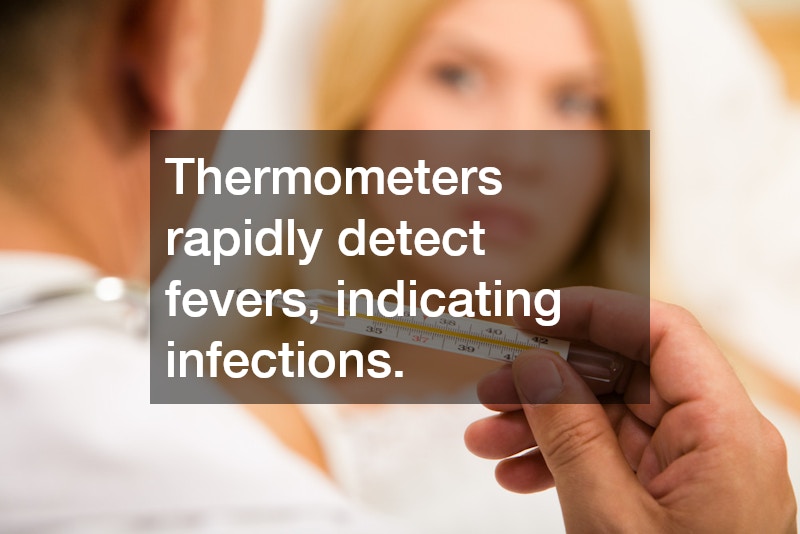
Thermometers rapidly detect fevers, indicating infections. Infrared and digital types offer quick, accurate readings, enhancing patient care. Immediate temperature assessments can alter the course of treatment promptly.
Pulse Oximeter
Pulse oximeters, essential for respiratory conditions, give quick readings of blood oxygen levels, aiding in medical decision-making. Accurate oxygen level readings are vital for tailoring treatment plans on the spot.
First Aid Kit
Containing bandages, antiseptics, and medications, a first aid kit is crucial for managing minor injuries and pre-hospital care. This kit serves as a first line of defense in emergencies that may arise during home visits.
Documentation and Record Keeping
Electronic Devices
Tablets and laptops facilitate quick access to electronic health records, ensuring secure and efficient documentation. These devices streamline the integration of new information, enhancing the continuity of care.
Paper Charts
Paper charts serve as backup and quick reference in emergencies, essential when digital devices fail. They represent a failsafe, ensuring no disruption in patient information access.
Smartphones
Smartphones assist in communication and record-keeping with real-time coordination and health apps. They keep professionals connected and informed, no matter the location.
Patient Assessment Forms
Standardized forms ensure thorough evaluations, facilitating data exchange between healthcare workers. Consistent use promotes accuracy and uniformity in patient assessments.
Secure Storage Solutions
Secure compartments protect patient information, ensuring compliance and confidentiality. Such measures are critical in maintaining trust and adhering to legal standards.
Personal Protective Equipment (PPE)
Face Masks
Face masks protect against infectious diseases, emphasizing quality and effectiveness in frontline work. They are a symbol of the commitment to patient safety and self-protection.
Gloves
Latex or nitrile gloves prevent cross-contamination, crucial during patient visits and tasks. These gloves are integral to maintaining high sanitation standards in varied settings.
Hand Sanitizer
Hand sanitizers with at least 60% alcohol ensure hygiene when soap and water are unavailable. They are essential for maintaining cleanliness between patient interactions.
Protective Gowns
Disposable gowns minimize contamination risk during patient interactions requiring isolation. Such gowns offer an effective barrier, fostering a safe healthcare environment.
Face Shields and Goggles
These offer additional eye protection during procedures with splash risks, enhancing safety. The use of these tools underscores the commitment to comprehensive safety protocols.
Organizing for Efficiency
Bag Choices
Sturdy bags with pre-arranged compartments enhance accessibility to critical tools. A well-organized bag reflects a methodical approach to caregiving.
Quick Access Compartments
Quick-access compartments allow swift retrieval of essential tools, ensuring readiness. This organizational style reduces response time in critical situations.
Labeling and Customizing
Customization and labeling prevent misplaced items and support workflow efficiency. A personalized system allows for greater operational flexibility and speed.
Weight Management
Managing bag weight prevents injury and ensures comfort with lightweight tools and ergonomic designs. Attention to ergonomics supports both provider health and patient outcomes.
Refill and Restock Techniques
Regular restocking reflects preparedness for patient care and aligns with varying needs. Staying stocked ensures health professionals are never caught off guard during visits.
Personal Well-being Items
Snacks and Hydration
Nutritious snacks and hydration sustain energy during shifts, enhancing focus and care quality. Proper nourishment directly impacts caregiver performance and endurance.
Personal Identification and Licenses
Carrying IDs and licenses is essential for compliance, credibility, and professional authority. Such documents affirm the professional status and readiness to serve.
Comfort Items
Comfort items improve the work environment, facilitating focus and stress relief. These items provide a necessary mental break, rejuvenating caregivers during long days.
Stress Relief Tools
Stress relief tools support mental well-being, reducing burnout in high-pressure roles. Integrating these tools promotes lasting effectiveness and job satisfaction.
Change of Clothes
A spare change of clothes ensures a professional appearance and adapts to unexpected situations. Being prepared for unforeseen changes underscores professionalism and adaptability.
In home health care, professionals play a vital role in delivering medical care at home. A well-packed bag balances necessity, practicality, and personalization, ensuring professionalism and efficiency. Personal well-being items highlight the commitment to balance in demanding healthcare roles. Their preparedness reflects dedication to excellence, empathy, and professionalism in every visit.