
Living with discomfort, limited mobility, or ongoing health concerns can affect nearly every area of daily life. From struggling to complete everyday activities to feeling less energetic and confident, physical and emotional wellness challenges often require more than a temporary solution. Modern healthcare has shifted toward personalized approaches that focus on understanding each person’s unique needs, lifestyle, and goals.
Today’s wellness strategies combine professional guidance, advanced techniques, preventative care, and healthy lifestyle changes to help individuals improve how they feel and function. Rather than focusing only on immediate symptoms, many approaches aim to identify contributing factors and create sustainable improvements.
Whether someone is recovering from an injury, dealing with recurring discomfort, improving mobility, or working toward healthier habits, there are many options available. The most effective plans often involve a combination of education, consistent effort, and support from qualified professionals.
Understanding available solutions allows individuals to make informed decisions about their health. By exploring different approaches and learning how they work, readers can better identify strategies that align with their personal wellness goals and support long-term improvements.
Understanding the Factors That Affect Comfort and Quality of Life

Many health challenges develop from a combination of factors rather than a single cause. Injuries, repetitive movements, poor posture, stress, daily habits, and changes in physical activity levels can all contribute to discomfort and reduced function. Over time, these factors can affect energy levels, mobility, and the ability to participate in everyday activities. Recognizing how different aspects of health interact can help individuals make informed decisions about improving their overall well-being.
A major step toward improving wellness is recognizing patterns. Paying attention to when symptoms appear, what activities affect them, and which habits influence overall well-being can provide valuable information. Understanding these connections allows individuals to make practical adjustments and seek appropriate support when needed.
Some helpful practices include:
- Keeping notes about recurring symptoms and possible triggers.
- Tracking sleep quality, hydration, activity levels, and stress.
- Noticing changes in movement, flexibility, and energy.
- Identifying daily habits that may contribute to discomfort.
Professional evaluations can also provide insight into concerns that may not be obvious. Healthcare providers often consider a person’s medical history, lifestyle, physical abilities, and personal goals when developing recommendations. These evaluations can help uncover contributing factors and create a clearer path toward improving comfort and function.
A personalized approach is important because individuals respond differently to care. A strategy that works well for one person may not provide the same results for another. Understanding personal needs allows for more targeted solutions and a greater chance of creating lasting improvements. By addressing both immediate concerns and long-term wellness goals, individuals can build healthier routines that support a better quality of life.
Building a Personalized Approach to Movement and Recovery
Restoring movement and improving physical abilities often requires a structured plan designed around specific challenges. Many people benefit from guided care that focuses on improving mobility, rebuilding strength, and developing healthier movement patterns. Whether recovering from an injury, managing physical limitations, or working to improve overall function, having a clear plan can make the recovery process more manageable and effective.
Working with a physical therapy professional can help individuals understand how their bodies move and identify areas that may need attention. Treatment plans are often created after evaluating posture, range of motion, muscle strength, balance, and functional limitations. These assessments allow providers to develop strategies that address specific concerns while helping individuals safely progress toward their goals.
A physical therapy clinic can provide a supportive environment where individuals receive guidance throughout their recovery process. These facilities often focus on creating individualized plans rather than using a one-size-fits-all approach. Patients benefit from having access to professional instruction, progress monitoring, and adjustments to their care plan as their abilities improve.
During an evaluation, patients may discuss:
- Previous injuries or surgeries.
- Current limitations affecting daily activities.
- Personal goals for movement and performance.
- Activities that increase or decrease discomfort.
Beyond scheduled appointments, recovery often depends on the habits and choices individuals make outside of professional sessions. Completing recommended exercises, maintaining proper movement techniques, and following provider guidance can help support continued progress. Small, consistent efforts can contribute to improved strength, flexibility, and confidence over time.
Consistency plays an important role in progress. Professional sessions are often combined with exercises or recommendations that can be completed at home. Maintaining these routines can help reinforce improvements and encourage long-term results.
Individuals should also feel comfortable asking questions during appointments. Understanding why certain exercises or techniques are recommended can help you stay motivated and actively participate in the recovery process. Open communication allows providers to better understand challenges, adjust recommendations when necessary, and create a more effective path toward achieving wellness goals.
Exploring Targeted Options for Improving Daily Function

Modern wellness approaches often focus on helping people return to activities they enjoy while improving overall function. Instead of focusing solely on short-term concerns, many plans emphasize strengthening the body and preventing future problems.
Physical therapy services may include a variety of techniques designed to support recovery and improve movement. Depending on an individual’s needs, care may involve guided exercises, mobility training, strengthening routines, or hands-on methods.
Effective pain management strategies typically involve identifying contributing factors and creating realistic solutions. Rather than relying only on temporary relief, many individuals benefit from approaches that address lifestyle habits, movement patterns, and physical limitations.
Helpful ways to support progress include:
- Following recommended routines consistently.
- Communicating changes in symptoms with providers.
- Gradually increasing activity levels.
- Maintaining proper form during exercises.
- Prioritizing recovery and rest.
Long-term improvement often requires patience. The body may need time to rebuild strength, improve flexibility, or adapt to new habits. Setting realistic expectations can help individuals stay committed to their wellness plans.
Working closely with professionals also allows adjustments to be made when needed. If a strategy is not producing the desired results, providers can modify recommendations to better match an individual’s goals.
Addressing Recurring Discomfort Through Lifestyle and Professional Guidance
Recurring headaches and similar concerns can interfere with work, relationships, and everyday responsibilities. While triggers vary from person to person, lifestyle factors often play an important role in how frequently symptoms occur and how intense they become.
Many individuals explore migraine relief strategies that focus on identifying personal triggers and making supportive lifestyle adjustments. Common factors that may contribute include dehydration, irregular sleep patterns, stress, certain foods, and environmental factors.
Keeping a detailed record can help individuals recognize patterns. A symptom journal may include:
- The time symptoms begin.
- Foods or beverages consumed beforehand.
- Sleep duration and quality.
- Stress levels.
- Activities or environments involved.
Simple lifestyle changes may also support overall comfort. Maintaining regular meals, drinking enough water, creating consistent sleep habits, and managing stress can all contribute to improved wellness.
Professional guidance may be beneficial when symptoms are frequent, severe, or affecting daily activities. A qualified provider can help evaluate possible contributing factors and recommend appropriate next steps.
Taking a proactive approach allows individuals to better understand their bodies and make informed decisions about their care.
Supporting Alignment and Healthy Movement Patterns
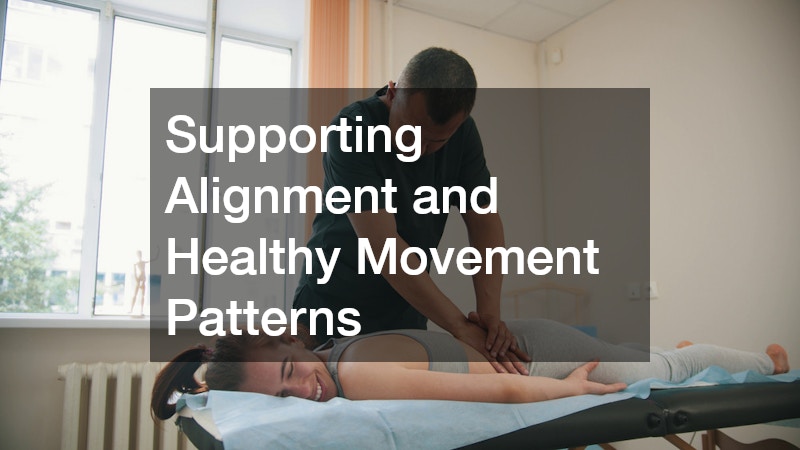
The way the body moves can influence comfort, flexibility, and physical performance. Poor posture, muscle imbalances, repetitive activities, and limited mobility may affect how individuals complete everyday movements.
A chiropractor focuses on evaluating movement patterns and identifying areas that may need attention for alignment or mobility. Through assessments and personalized recommendations, individuals can learn strategies to improve physical function.
Chiropractic treatments may include approaches designed to improve mobility, support alignment, and encourage healthier movement habits. Care plans are typically adjusted based on each person’s needs, goals, and comfort level.
Maintaining better movement habits outside of appointments is also important. Individuals can support their progress by:
- Creating an ergonomic workspace.
- Taking regular breaks from prolonged sitting.
- Practicing proper lifting techniques.
- Incorporating stretching and strengthening activities.
- Paying attention to posture throughout the day.
Education is a valuable part of wellness care because understanding how the body works allows individuals to make better decisions. Small adjustments to daily routines can lead to meaningful improvements over time.
Finding Convenient Support That Fits Into Everyday Life
Consistency is one of the most important parts of improving health. Even the most effective strategies may have limited results if individuals cannot maintain regular appointments or follow recommended routines.
Choosing a local chiropractic clinic can make it easier for individuals to stay committed to their wellness goals. Convenient access reduces barriers and may encourage people to prioritize their health despite busy schedules.
When selecting a provider, consider:
- The experience and qualifications of the professionals.
- The types of services available.
- Communication style and patient support.
- Appointment availability.
- Whether the approach aligns with personal goals.
Preparing for an initial visit can also make the experience more productive. Individuals may want to bring relevant medical information, prepare questions, and think about specific goals they hope to achieve.
A strong relationship with a healthcare provider involves communication and trust. Patients who feel comfortable discussing their concerns are more likely to participate actively in their care.
Accessible wellness support can help individuals stay engaged with their health journey and make progress through consistent, manageable steps.
Expanding Wellness Beyond Traditional Care

Wellness is not limited to addressing discomfort or physical limitations. Many individuals also focus on improving confidence, relaxation, and overall quality of life through additional services designed to support personal goals.
A medical spa may offer treatments that combine wellness-focused care with aesthetic services. These facilities often emphasize personalized experiences based on individual preferences and needs.
Before choosing any wellness treatment, individuals should research providers carefully. Important considerations include:
- Understanding available treatments.
- Reviewing provider experience and qualifications.
- Asking questions about expectations and outcomes.
- Prioritizing safety and professional recommendations.
Self-care can play an important role in overall wellness. Taking time to focus on personal health, relaxation, and confidence may help individuals feel more balanced.
However, wellness services are most effective when they are part of a broader approach that includes healthy habits, professional guidance, and realistic goals.
Creating Sustainable Habits for Long-Term Wellness
Healthy lifestyle changes are often most successful when they are realistic and sustainable. Many people struggle with approaches that require extreme restrictions or short-term commitments because they can be difficult to maintain.
A weight loss program can provide structure and guidance for individuals who want support in creating healthier routines. Personalized plans may take into account nutrition habits, activity levels, personal goals, and lifestyle preferences.
Successful long-term changes often involve:
- Setting achievable goals.
- Creating balanced eating habits.
- Increasing movement gradually.
- Monitoring progress consistently.
- Adjusting strategies as needs change.
Progress should not only be measured by numbers on a scale. Improvements in energy, mobility, confidence, and daily habits can also reflect positive changes.
Professional support can help individuals understand how different lifestyle factors influence overall wellness. Having guidance and accountability may make it easier to stay consistent and overcome challenges.
The goal of sustainable wellness is not perfection. It is creating habits that support a healthier lifestyle and can continue over time.
Combining Multiple Strategies for a Complete Wellness Plan
The most effective wellness plans often involve multiple strategies working together. Physical health, daily habits, stress levels, and personal goals all influence overall well-being.
Rather than searching for a single solution, individuals can benefit from considering how different approaches complement one another. Professional care, lifestyle improvements, preventative strategies, and self-care routines can all contribute to better outcomes.
Maintaining progress requires ongoing attention. Helpful habits include:
- Scheduling regular wellness check-ins.
- Continue recommended exercises or routines.
- Adjusting goals as circumstances change.
- Staying informed about available options.
- Celebrating gradual improvements.
Wellness is an ongoing process that changes throughout different stages of life. A flexible approach allows individuals to adapt their strategies while continuing to prioritize their health.
Modern approaches to health and wellness provide individuals with more opportunities to improve comfort, mobility, and overall quality of life. With personalized guidance, thoughtful lifestyle changes, and consistent effort, people can take meaningful steps toward reaching their goals.
Understanding available options is an important part of making informed decisions. By focusing on sustainable habits, professional support, and proactive care, individuals can create a wellness strategy that fits their unique needs and lifestyle.
Small improvements made consistently can lead to significant long-term benefits. Prioritizing health today can help support a more active, comfortable, and confident future.
