
For decades, traditional approaches to physical suffering focused almost entirely on masking symptoms rather than addressing the structural, biological, and psychological factors that sustain them. When individuals encounter persistent physical discomfort, standard clinical protocols frequently rely on pharmaceutical interventions or surgical consultations. While these methods have a vital place in emergency medicine and acute trauma care, they often leave those dealing with ongoing physical challenges trapped in a frustrating cycle of temporary relief followed by recurring flares. A growing body of health research suggests that physical distress rarely stems from a single isolated structural defect. Instead, long-standing discomfort is usually a complex signal produced by interconnected body systems, including immune function, metabolic balance, nervous system activity, and soft tissue health.
Understanding this complexity requires looking closely at how the human body processes ongoing stress and physical strain over time. When an individual suffers from persistent lower back pain, for instance, the underlying issue might extend far beyond a single spine segment, bulging disc, or strained ligament. Systemic inflammation, underlying hormone imbalances, unaddressed muscle tension, and chronic psychological stress can all amplify pain signals sent to the central nervous system. When clinical care targets only the immediate site of discomfort without evaluating these contributing elements, the core drivers remain active. Consequently, individuals often find themselves trying one isolated treatment after another without achieving lasting functional improvement or long-term physical comfort.
An integrative framework approaches healing from a completely different clinical perspective. By evaluating the human body as an integrated ecosystem, healthcare providers can uncover how metabolic health, subconscious stress responses, physical alignment, and cellular recovery influence one another. This comprehensive strategy shifts the clinical focus from managing isolated symptoms to systematically reconstructing overall health and biological resilience. When each underlying factor receives targeted attention, the body gains the necessary internal conditions to repair damaged tissue, quiet overactive danger signals, and restore natural mobility. The following blueprint outlines how modern multidimensional therapies work together to create a sustainable, clear pathway from initial evaluation to long-term physical recovery.
Uncovering Systemic Triggers and Biological Root Causes

True recovery begins with identifying the underlying biological imbalances that fuel chronic inflammation and hinder natural tissue repair mechanisms. Conventional diagnostic models frequently focus on static imaging, such as X-rays and magnetic resonance scans. While imaging is essential for identifying acute structural damage or bone fractures, it often fails to explain why low-grade discomfort persists long after injured soft tissue should have fully healed. To fill this diagnostic gap, many individuals seek out a functional medicine service, which utilizes advanced laboratory testing to evaluate gut microbiome health, inflammatory markers, nutritional deficiencies, and endocrine balance. This deeper clinical investigation provides a complete biological picture, showing how hidden internal stressors prevent the body from resolving soft tissue irritation.
Metabolic and hormonal health play a central role in how tissues maintain resilience and recover from routine daily wear and tear. As individuals age or experience prolonged physical stress, endocrine production naturally fluctuates and declines. Lower levels of key hormones can slow cellular regeneration, decrease lean muscle mass, weaken connective tissue structures, and increase systemic sensitivity to physical discomfort. When comprehensive clinical lab work reveals significant endocrine depletion, incorporating hormone replacement under careful medical guidance can help restore optimal physiological balance. Stabilizing these biological foundations supports connective tissue integrity and creates a favorable internal environment for sustained physical healing and structural vitality.
Furthermore, chronic inflammation often originates within the gastrointestinal tract or through subtle dietary sensitivities that keep the immune system in a hyperactive state. When immune cells consistently release inflammatory cytokines into circulation, soft tissues throughout the entire body become hypersensitive to minor physical strains. A comprehensive functional assessment pinpoints specific dietary triggers and metabolic roadblocks, allowing clinicians to design targeted nutrition plans. By addressing hidden gut dysfunction and balancing key biochemical pathways, individuals can substantially reduce background systemic inflammation. This comprehensive biological reset diminishes overall pain sensitivity and enhances the effectiveness of physical therapies aimed at restoring long-term mobility.
Subconscious Pain Pathways and Mental Well-Being

The relationship between mind and body is central to how physical discomfort is processed, perceived, and sustained over extended periods. When physical discomfort lasts for months or years, the central nervous system can undergo a dynamic neurological process known as central sensitization. In this state, the brain and spinal cord become hyper-reactive, amplifying mild sensory nerve signals into intense sensations of physical distress. Chronic physical suffering also takes a heavy emotional toll, frequently contributing to clinical anxiety, persistent depression, and chronic sleep disruption. To break this destructive feedback loop, consulting a local psychiatrist can provide critical clinical support for managing the emotional burden and neurochemical imbalances associated with long-term discomfort. Addressing mood stability and neural health helps stabilize the central nervous system, creating a solid foundation for physical recovery.
Beyond conscious mental health management, subconscious thought patterns and learned stress responses significantly influence pain amplification within the body. Fear of movement, lingering emotional trauma from a past injury, and chronic daily stress keep the sympathetic nervous system locked in a high-alert state. Working with a specialized hypnotherapy service allows individuals to access the subconscious mind and reframe internalized stress responses safely. Through guided relaxation techniques and targeted hypnotic imagery, this clinical approach helps retrain the brain to tone down overactive pain pathways and reduce involuntary muscle guarding.
Calming the central nervous system yields immediate and measurable physical benefits across the entire muscular system. When involuntary muscle guarding decreases, blood flow to injured tissues improves significantly, allowing vital oxygen and essential nutrients to circulate freely. Individuals often report that addressing subconscious stress patterns makes physical movement feel less intimidating and noticeably smoother. Combining neurochemical support with subconscious retraining transforms how the brain perceives sensory inputs. Rather than viewing every bodily sensation as an immediate threat, the nervous system learns to distinguish between safe movement and actual structural danger, clearing the path for effective physical rehabilitation.
Targeting Tissue Repair and Cellular Oxygenation
Once biological and neurological stressors are addressed, clinical attention shifts toward stimulating active cellular repair within damaged tissues. Chronic tissue irritation often leads to localized hypoxia, a physiological state where oxygen delivery to injured muscles, tendons, and ligaments is severely compromised. Without adequate oxygenation, cellular metabolism slows down, metabolic waste products accumulate, and tissue repair stalls completely. Advanced regenerative protocols utilize ozone therapy to enhance oxygen delivery at the cellular level. By stimulating microcirculation and supporting mitochondrial activity, this targeted modality helps reactivate sluggish repair mechanisms in chronically irritated soft tissues.
Complementing cellular oxygenation techniques with controlled temperature exposure provides a powerful dual stimulus for systemic recovery. Engaging in regular cold plunge therapy induces rapid vascular constriction followed by rebound vasodilation once the body rewarms. This mechanical flushing mechanism helps clear metabolic waste from fatigued muscles, reduces acute tissue swelling, and stimulates the release of cold-shock proteins that protect cells against oxidative stress. Furthermore, brief cold exposure triggers a natural surge in dopamine and norepinephrine, boosting mental focus, positive mood, and systemic resilience.
Integrating cellular oxygenation with thermal conditioning creates a dynamic biological reset across multiple organ systems. Oxygen-enriching therapies improve mitochondrial efficiency and localized tissue repair, while cold exposure acts as a metabolic challenge that tones the autonomic nervous system. Together, these advanced recovery modalities reduce localized swelling and accelerate overall physical recovery. Tissues that were previously stuck in a stagnant state of low-grade irritation receive the circulation and metabolic support needed to rebuild strength, endurance, and flexibility.
Restoring Physical Function and Body Mechanics

Addressing internal biology and nervous system health lays the groundwork for physical restoration, but structural alignment and soft tissue dynamics require direct manual attention. Over time, individuals dealing with persistent physical discomfort develop compensatory movement patterns to protect vulnerable areas. To avoid acute pain, they unconsciously shift their weight, alter their walking posture, and overuse secondary muscle groups. These mechanical compensations create tight myofascial restrictions, painful trigger points, and structural imbalances that keep discomfort active long after initial injuries have healed. Visiting a skilled massage place allows trained physical therapists to relieve deep muscle tension, break up restrictive scar tissue, and improve overall fascial mobility.
In addition to manual therapy for soft tissue, structural stability relies heavily on balanced core strength and healthy postural alignment. Excess fat deposits around the abdomen and lower torso can pull the spine forward out of alignment, placing continuous mechanical strain on the lumbar spine and pelvic joints. Non-invasive procedures provided by a body contouring service can assist individuals in reducing stubborn localized fat deposits that contribute to mechanical strain and altered posture. When combined with targeted core stabilization exercises, removing excess mechanical load helps restore natural spine alignment and improves structural stability.
Restoring optimal body mechanics requires a continuous interplay between soft tissue manual work and structural support. As muscle tightness subsides and physical weight distribution is balanced, joint mechanics begin to normalize naturally. Individuals experience far greater ease during routine daily movements, such as walking, lifting heavy objects, and bending forward. Re-establishing healthy biomechanics ensures that physical forces are distributed evenly across joints and muscles during movement, preventing recurring strain and supporting long-term physical resilience.
Sustaining Rehabilitation in Daily Life
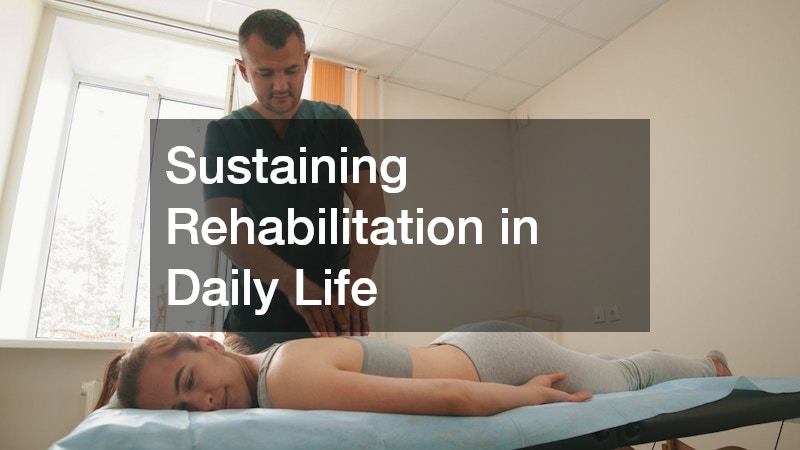
The journey from chronic physical discomfort to functional recovery does not end when formal clinical appointments conclude. Long-term success depends heavily on integrating therapeutic principles into daily routines and home environments. Maintaining consistent movement patterns, managing daily stress levels, and adhering to personalized nutritional protocols require ongoing commitment and structured guidance. For individuals recovering from major health setbacks, mobility limitations, or extensive rehabilitation procedures, professional home health care provides essential clinical support. Qualified health caregivers assist with home exercise programs, monitor vital health metrics, manage therapeutic routines, and ensure physical safety in the living environment.
Having professional support at home bridges the gap between clinical interventions and independent daily living. Home-based clinical care allows individuals to practice safe movement mechanics within their actual living spaces, turning therapeutic guidelines into natural daily habits. Caregivers can also monitor subtle changes in physical function, ensuring that recovery progresses steadily without triggering frustrating setback flares. This structured home environment fosters confidence, encouraging individuals to remain active and fully engaged in their personal recovery journey.
Beyond formal caregiving support, establishing sustainable daily habits is vital for maintaining long-term physical gains. Simple practices like structured daily walking, targeted stretching routines, proper hydration, and prioritizing restful sleep help consolidate improvements achieved through specialized clinical treatments. By weaving therapeutic habits into daily life, individuals shield themselves against future physical strain and maintain a high quality of life for years to come.
Building a Cohesive Recovery Roadmap
Achieving lasting physical recovery requires moving away from piecemeal solutions and adopting a unified, multidimensional strategy. As outlined throughout this blueprint, persistent physical discomfort is rarely caused by a single isolated issue. Instead, it represents a complex interaction between systemic inflammation, nervous system sensitivity, hormonal imbalances, structural misalignments, and daily lifestyle habits. When these elements are addressed in isolation, progress is often slow, incomplete, and temporary. However, when combined into a synchronized care plan, each therapy reinforces the benefits of the others, accelerating total body recovery.
A successful recovery roadmap begins with a thorough evaluation of an individual’s unique biological, psychological, and physical profile. Identifying specific root causes allows care providers to sequence therapies logically and effectively. For instance, calming nervous system hyper-reactivity and lowering systemic inflammation makes physical manual therapies significantly more effective and comfortable for the patient. Simultaneously, optimizing cellular energy and metabolic function ensures that injured tissues have the necessary biochemical resources to repair as physical activity increases.
Ultimately, taking an integrative approach to health empowers individuals to take an active, informed role in their healing process. Rather than relying solely on passive interventions or quick temporary fixes, patients gain a deeper understanding of how their bodies function and respond to care. By addressing the physical, emotional, and biological aspects of health together, individuals can break free from the cycle of chronic pain and build a resilient foundation for long-term vitality, functional movement, and overall well-being. Collaborating with a dedicated team of health professionals allows patients to navigate each phase of rehabilitation with clarity and confidence. As body systems return to balance, individuals recover not only physical function but also the freedom to enjoy daily activities without limitation.
