
If you have been eating carefully and exercising regularly but the number on the scale refuses to budge, the problem may not be about willpower at all. Chronic, low-grade inflammation can quietly rewire your metabolism, disrupt hunger signals, and make fat loss feel nearly impossible. Understanding how inflammation and weight gain feed off each other is the first step toward breaking the cycle. This article walks through the science, the warning signs, and the practical steps you can take to regain control of your health.
How Chronic Inflammation Triggers Weight Gain
Inflammation is your body’s natural defense response, but when it becomes chronic, it starts interfering with the hormones that regulate appetite and fat storage. Persistent inflammation raises cortisol and insulin levels, which encourages your body to store fat, especially around the midsection. This creates a frustrating loop where excess fat tissue produces even more inflammatory compounds, deepening the problem over time.
Researchers have found that inflamed fat cells release chemical messengers called cytokines, which interfere with leptin, the hormone that tells your brain you are full. When leptin signals get scrambled, you may keep eating past the point of fullness without realizing it. Breaking this cycle requires addressing the root inflammation rather than simply cutting calories.
Common Triggers Behind Everyday Inflammation

Many people unknowingly feed inflammation through daily habits that seem harmless on the surface. Poor sleep, chronic stress, sedentary routines, and processed food consumption are among the biggest culprits. Identifying these triggers is essential before you can make meaningful changes to your diet or lifestyle.
- Diets high in refined sugar and trans fats
- Chronic sleep deprivation or irregular sleep schedules
- Ongoing psychological stress or unresolved anxiety
- Sedentary behavior with little physical movement
- Environmental toxins and excessive alcohol intake
Warning Signs Your Body Might Be Sending
Inflammation does not always announce itself loudly, which is why many people miss the early warning signs. It tends to work quietly in the background, showing up as symptoms that feel disconnected from each other, so they get dismissed or blamed on something else entirely. Persistent fatigue is one of the most common clues, especially the kind that does not improve with sleep. Joint stiffness, particularly in the morning or after sitting for long periods, can signal inflammatory activity rather than simple wear and tear. Bloating that shows up regularly after meals, skin issues like unexplained rashes or eczema flare-ups, and even frequent headaches can all point to an inflammatory process happening beneath the surface. Other signs worth paying attention to include swollen lymph nodes, brain fog that makes concentration difficult, and digestive irregularities such as constipation or diarrhea that come and go without a clear trigger. Some people also notice their gums bleed more easily when brushing, which can be a marker of systemic inflammation rather than just a dental issue. If these symptoms show up alongside stubborn weight gain, especially weight that concentrates around the midsection, it may be worth investigating further rather than assuming it is simply age or metabolism slowing down. A pattern of two or more of these signs lasting several weeks is a stronger signal than any single symptom on its own, and it may be worth discussing with a healthcare provider who can check markers like C-reactive protein.
Chronic inflammation often builds quietly, but sometimes your body sends signals that demand immediate attention rather than a wait-and-see approach. Severe abdominal pain, sudden swelling in the legs or face, chest tightness, or difficulty breathing should never be ignored. In these moments, heading to an emergency clinic is the safest choice, since these symptoms can point to serious complications like blood clots, organ stress, or severe allergic reactions that need rapid evaluation. Other warning signs are less dramatic but still worth investigating promptly. Persistent joint pain, unexplained fatigue that lingers for weeks, recurring skin issues like rashes or slow-healing wounds, and stubborn weight gain despite consistent diet and exercise can all point to underlying inflammatory processes. Digestive changes, such as ongoing bloating or irregular bowel habits, are also worth mentioning to a healthcare provider rather than dismissing as routine stress. For these less urgent but still concerning symptoms, a walk in clinic can offer same-day evaluation and bloodwork to check inflammatory markers like C-reactive protein (CRP) or erythrocyte sedimentation rate (ESR), without the long wait of a scheduled appointment. Getting these numbers early can help identify patterns before they progress into more serious metabolic or cardiovascular issues. Tracking how often these symptoms appear, and under what circumstances, also gives your provider valuable context for narrowing down the underlying cause.
Choosing Structured Programs for Sustainable Fat Loss

Trying to lose weight while inflammation is working against you often requires more structure than a generic diet plan. When cortisol and inflammatory markers stay elevated, the body clings to fat stores and resists the simple “eat less, move more” formula, which is why willpower alone rarely produces lasting change. Well-designed weight loss programs typically combine nutrition coaching, activity tracking, and accountability check-ins that help address the underlying causes of stalled progress. Many also incorporate anti-inflammatory food swaps, sleep and stress tracking, or periodic lab work to monitor markers like CRP, insulin, and cortisol over time. The best programs also build in flexibility, adjusting calorie targets, macronutrient ratios, or workout intensity as inflammation markers and energy levels shift. A 12-week structured program, for instance, might start with a lower-intensity movement plan and gentle anti-inflammatory nutrition changes before gradually increasing training load once biomarkers improve. These programs are especially useful for people who have tried multiple approaches on their own without lasting results. Regular check-ins with a coach or practitioner add a layer of accountability that self-directed plans usually lack, making it easier to catch setbacks early and adjust course before motivation stalls entirely.
A good program does more than hand you a meal plan; it looks at your sleep, stress levels, and activity patterns as part of the bigger picture, since each of these factors independently drives inflammatory markers like CRP and IL-6. Sleeping less than six hours a night, for example, can raise cortisol and blunt insulin sensitivity, making fat loss harder no matter how clean your diet is. Structured programs that assess these variables through intake questionnaires, wearable data, or periodic bloodwork can catch hidden contributors that a generic diet plan would miss. Many people find that combining professional guidance with small, sustainable habit changes produces better long-term results than extreme short-term diets. This might mean working with a dietitian or coach who adjusts your plan every few weeks based on progress, rather than locking you into a rigid 30-day protocol. Gradual changes, such as adding 7,000 steps a day or swapping two processed snacks for anti-inflammatory whole foods, tend to stick because they don’t trigger the stress response that crash diets often do. The goal is steady progress that reduces inflammation while gradually reshaping body composition. A realistic pace is often half a pound to two pounds of fat loss per week, paired with improving markers like waist circumference, fasting glucose, or energy levels rather than the scale alone. Programs that track these broader indicators, and adjust course when something isn’t working, tend to produce results that actually last.
Building Anti-Inflammatory Eating Habits
Food choices play one of the biggest roles in either fueling or calming chronic inflammation. Diets rich in colorful vegetables, fatty fish, nuts, and olive oil have been shown to lower inflammatory markers over time. On the other hand, refined carbohydrates and sugary snacks tend to spike blood sugar and worsen the inflammatory response.
Many people find success by shifting toward low carb meals that emphasize lean protein, leafy greens, and healthy fats instead of processed grains and sugar. This approach can help stabilize blood sugar swings that otherwise trigger inflammatory spikes throughout the day. Pairing these meals with adequate hydration and fiber intake further supports a calmer, more balanced internal environment.
Supporting Your Body with Targeted Supplementation
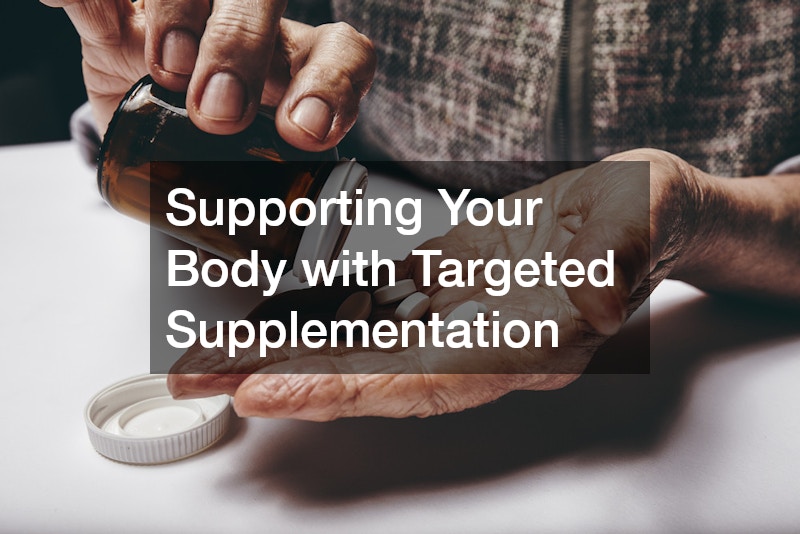
While whole foods should always be the foundation of an anti-inflammatory lifestyle, certain nutrition supplements can provide additional support when used thoughtfully. Omega-3 fatty acids, curcumin, and magnesium have all been studied for their potential to reduce inflammatory markers in the body. It is important to view these as complementary tools rather than replacements for a balanced diet.
- Omega-3 fish oil for reducing systemic inflammation
- Curcumin or turmeric extract for joint and tissue support
- Magnesium to support better sleep and muscle recovery
- Probiotics to support gut health, which is closely tied to inflammation
- Vitamin D, especially for those with limited sun exposure
Addressing Joint Pain and Mobility Limitations
Chronic inflammation often shows up first in the joints, making everyday movement uncomfortable and discouraging regular exercise. When people move less because of pain, they tend to gain more weight, which then places additional stress on already inflamed joints. Breaking this cycle sometimes requires professional support rather than pushing through pain alone.
Many people find real relief by working with chiropractors who can address alignment issues contributing to chronic discomfort. Improved joint function often makes it easier to stay consistent with movement, which in turn helps regulate weight and reduce inflammation. Combining this kind of care with a modestly active lifestyle tends to produce better outcomes than relying on medication alone.
Restoring Strength Through Recovery Support

For individuals recovering from injury or surgery, inflammation can be both a natural part of healing and a barrier to regaining full mobility. Structured physical rehab programs are designed to rebuild strength gradually while managing swelling and discomfort along the way. This kind of guided recovery is particularly helpful for people whose weight gain is tied to reduced activity after an injury.
A skilled rehab specialist can tailor exercises to your specific limitations, preventing further strain while still encouraging progress. Over time, this steady rebuilding of strength helps restore confidence in movement, making it easier to return to regular exercise routines. Patience during this phase pays off, since rushing recovery can reignite inflammation and set progress back.
Making Home Accessibility Easier During Recovery
Weight gain combined with joint pain or reduced mobility can make everyday tasks at home feel more difficult, especially navigating stairs. For older adults or those recovering from injury, a stair lift install can make a significant difference in maintaining independence and encouraging safe movement throughout the day. Reducing strain on inflamed joints during daily activities is an often-overlooked piece of the recovery puzzle.
Small home adjustments can prevent the kind of forced inactivity that worsens both inflammation and weight gain. When climbing stairs becomes painful, people often avoid using upper floors altogether, which reduces overall activity levels. Investing in practical accessibility solutions allows for continued movement without unnecessary strain on healing joints.
Rounding Out Self Care with Wellness Extras
Managing inflammation and weight is not only about diet and exercise; overall self-care and confidence also play a role in staying motivated. Chronic stress triggers the release of cortisol, which can promote fat storage and drive inflammatory processes throughout the body, so addressing stress is not a luxury but a legitimate part of an inflammation management plan. Some people find that visiting a medspa for treatments like massage therapy, facials, or skin rejuvenation helps activate the body’s relaxation response, lowering cortisol and easing muscle tension. These sessions can also improve circulation and lymphatic drainage, which may help the body clear inflammatory byproducts more efficiently. Even a monthly appointment can serve as a consistent checkpoint that encourages people to stay engaged with their broader health goals. Beyond the physical benefits, there is a psychological payoff worth considering. Feeling good about one’s skin, posture, or overall appearance can reinforce healthier choices elsewhere, from meal planning to sticking with a workout routine. This kind of positive feedback loop is often overlooked, but it can be just as valuable as any supplement or exercise regimen. Of course, wellness extras work best as a complement rather than a substitute for medical care. Anyone managing chronic inflammation should still consult with a doctor or dietitian, using medspa visits or similar self-care rituals as supportive tools rather than primary treatment. Lowering stress through enjoyable, sustainable routines can round out the more clinical aspects of an inflammation management plan.
Small lifestyle details, like finally updating outdated eyeglass frames, might seem unrelated to inflammation but can meaningfully improve daily comfort and confidence. Blurry vision or eye strain from ill-fitting or outdated eyeglass frames can lead to headaches, poor posture, and reduced motivation to stay active. Something as simple as a comfortable, well-fitted pair can make reading nutrition labels, following workout videos, or prepping meals feel far less tedious. When people feel better about how they look and see clearly, they tend to engage more actively in daily life, including exercise and meal preparation. This isn’t vanity, it’s momentum. Confidence in one’s appearance often translates into a willingness to show up for a workout class, go grocery shopping, or cook rather than order takeout. These small wins add up and support the broader goal of sustainable, healthy habits. Other easily overlooked extras, like replacing worn-out running shoes, scheduling a dental cleaning, or investing in a supportive mattress, work the same way. None of these directly target inflammation, but together they remove friction from the routines that do.
Breaking the cycle between inflammation and weight gain takes a combination of awareness, consistent habits, and the right professional support along the way. Start by paying attention to the warning signs your body is already giving you, and consider which areas, whether diet, movement, or recovery, need the most attention right now. Small, deliberate changes made consistently will do more for your long-term health than any drastic short-term fix. Your next step is simply to choose one area from this article and commit to it this week.
